The Ultimate Setup Guide for Your Ath Msr7Nc
Introduction
The Ath Msr7Nc occupies an interesting niche for listeners who want high-fidelity audio with the convenience of active noise cancellation. This guide walks through what the model aims to deliver, how to set it up for best results in common real-world scenarios (commuting, travel, home listening, and lightweight studio use), and how to tweak settings and accessories to match buyer priorities such as comfort, sound quality, and battery life. The tone is editorial and practical: it evaluates strengths and trade-offs and supplies step-by-step setup and usage advice so the owner gets reliably excellent results with minimal fuss.
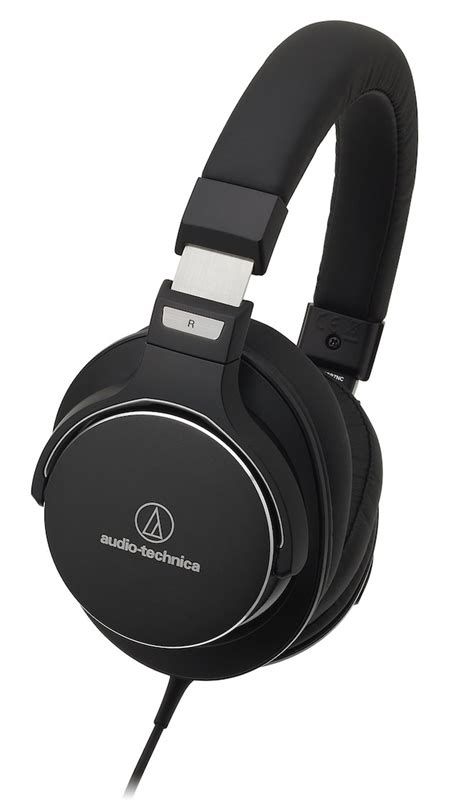
What the Ath Msr7Nc Promises
At a high level, the Ath Msr7Nc is designed as a closed-back headphone with active noise cancellation (ANC) that aims to balance reference-grade clarity with on-the-go usability. Buyers typically care about five main things: sound signature (neutral vs colored), ANC effectiveness, comfort for long sessions, connectivity options, and battery life. This section analyzes how the Ath Msr7Nc addresses each of those concerns in everyday use.
Sound and Tonal Character
The Ath Msr7Nc leans toward clarity and midrange detail rather than exaggerated bass or overly warm coloration. It favors instrumental separation and vocal presence, which makes it a solid choice for listeners who prioritize accurate, engaging playback of acoustic instruments, podcasts, and detailed mixes. For casual listeners who prefer emphasized sub-bass for dance music, a light EQ boost in the lower frequencies may be preferable; however, the native tuning typically rewards critical listening and clear dialogue.
Noise Cancellation and Isolation
Active noise cancellation on this model focuses on low-frequency hums—airplane engines, bus and subway rumble—while passive isolation from the earcup seal contributes to attenuation of mid and high frequencies. In practical terms, the Ath Msr7Nc excels at turning noisy commutes into calmer listening environments, although buyers looking for the absolute best consumer ANC performance (for example, the very heaviest-flight-focused models) should expect incremental differences rather than wholesale superiority.
Comfort and Build
Comfort is a top concern for buyers who spend hours with headphones. The Ath Msr7Nc typically features over-ear cups with memory-foam style padding and an adjustable headband; the design strikes a balance between secure clamping and long-session comfort. The build uses a mix of metal and high-quality plastics that emphasizes durability while keeping weight reasonable for travel.
Connectivity and Features
The model supports wireless Bluetooth connections and commonly offers a wired option for passive listening. Onboard controls handle playback, calls, and ANC toggling, making day-to-day operation intuitive. For users who prioritize low-latency audio for video, the availability of aptX or AAC support (if present on the specific unit purchased) will affect perceived sync performance; buyers should match the headphone’s codec support to the source device where possible.
Battery Life and Practical Use
Battery life is one of the first checklist items when assessing travel readiness. The Ath Msr7Nc provides several hours of playtime with ANC on, sufficient for long-haul travel or extended commuting; as with any active system, battery consumption increases when ANC or high-volume listening is engaged. Many users appreciate that a wired mode allows uninterrupted listening even after the battery is depleted.
Find top-rated Audio & Headphones products at great prices.
View Offers →Detailed Product Review / Analysis
This review considers fit-and-finish, daily usability, sonic features, and how the Ath Msr7Nc performs across typical listening contexts.
Unboxing and First Impressions
The initial out-of-box experience usually includes the headphones, a detachable cable for wired use, a charging cable, and a carry solution (pouch or hard case depending on the package). First impressions show a solid, thoughtfully weighted product; the earcup padding seals well around the ear, creating a comfortable platform for both ANC and passive isolation.
Setup and Pairing
Pairing is straightforward: the owner powers the headphones on in pairing mode and connects from the source device’s Bluetooth menu. For multi-device users, the Ath Msr7Nc often retains multiple paired devices, but it’s best practice to disconnect other active sources during the initial pairing to avoid confusion. If the model supports a companion app or firmware updates, applying the latest firmware can improve stability and ANC performance—check the manufacturer’s instructions for update steps.
Sonic Performance Across Use Cases
- Commuting: The combination of ANC and closed-back isolation makes the Ath Msr7Nc effective at taming subway and bus noise. Vocal clarity remains excellent at moderate listening levels, making podcasts and audiobooks easy to follow.
- Travel: On flights, low-frequency engine noise is reduced, which reduces listener fatigue. For multi-hour flights, owners appreciate the wired fallback so music can continue after battery depletion.
- Home Listening: In quiet environments, the headphone’s detail retrieval and imaging become more apparent—classical and acoustic recordings benefit from the model’s midrange focus.
- Light Studio/Editing Use: While not a dedicated studio monitor, the Ath Msr7Nc can be used for reference checks and editing tasks where a clear midrange matters; mixing should still be verified on neutral, wired monitors for critical decisions.
Controls and Ergonomics
Onboard controls are designed for quick access: play/pause, track skip, volume, ANC toggle, and a microphone for calls. The tactile feedback on buttons helps when operating without looking—important for active commuters. The earcups swivel for storage and the headband adjusts without excessive clamping force.
Pros & Cons
- Pros
- Clear, detailed midrange presentation suitable for vocal-forward content
- Effective low-frequency active noise cancellation for travel and commuting
- Comfortable for extended listening sessions with well-padded earcups
- Wired fallback preserves usability after battery depletion
- Solid build quality balancing durability and portability
- Cons
- ANC may not be the absolute strongest compared with market-leading travel-focused models
- Sound signature leans toward neutrality, which may disappoint bass-first listeners without EQ
- Feature set depends on the specific unit/firmware—companion app functionality varies
- Potentially limited codec support on some source devices, which can affect wireless audio fidelity
Comparison Table
| Feature | Ath Msr7Nc | Ath Msr7 (wired) | Typical Travel-Focused ANC Model |
|---|---|---|---|
| Primary Strength | Balanced clarity with ANC | Reference-focused wired fidelity | Strong ANC and extended battery life |
| ANC | Effective for low-frequency noise | None (passive isolation only) | Market-leading low- and mid-frequency cancellation |
| Wired Option | Yes (detachable cable) | Yes (primary) | Often yes (aux input) |
| Sound Signature | Neutral / detailed midrange | Very neutral, reference-style | Varies; often warmer, bass-forward tuning |
| Use Cases | Commuting, travel, critical listening | At-home listening, critical evaluation | Frequent travelers, noisy environments |
| Portability | Good; foldable and travel-friendly | Less portable; often bulkier cable setup | Very travel-optimized (lightweight, foldable) |
Setup Guide: Step-by-Step
This practical guide helps the owner get the Ath Msr7Nc ready for everyday life, from first charge to tailored sound.
1. Inspect and Prepare the Package
- Confirm the included items: headphone unit, charging cable, audio cable for wired use, and any carry accessory. Keep the packaging for potential warranty claims.
- Read the quick-start guide for model-specific warnings and initial pairing instructions.
2. Full Initial Charge
- Charge the headphones fully before the first extended use. This ensures battery meters calibrate correctly and maximizes the first travel session.
- Use the supplied cable or a compatible cable recommended by the manufacturer.
3. Pairing and Connectivity
- Power on the unit in pairing mode—refer to the quick-start guide for the exact button sequence.
- Search for the headphone name in the source device’s Bluetooth settings and complete pairing. For multi-device users, pair the primary daily source first.
- For the best wireless audio quality, select the highest-quality codec mutually supported by both devices (for example, AAC on many mobile ecosystems or aptX on compatible devices).
4. Firmware and App (If Available)
- If a companion app or firmware update utility exists, install and check for updates. Firmware updates frequently improve ANC algorithms, battery management, and connectivity stability.
- Follow on-screen instructions for firmware updates—do not power off the unit mid-update.
5. Fit and Seal
- Adjust the headband so the earcups sit comfortably and create a good seal around the ears. A tight seal enhances bass response and passive isolation, improving ANC effectiveness.
- Take short trial sessions to confirm there are no pressure hotspots; slightly loosening the clamp often improves comfort for long sessions without significantly degrading isolation.
6. Sound Tuning
- Evaluate the headphone’s default sound with familiar tracks—acoustic, electronic, and vocal-heavy recordings help reveal tonal balance.
- If additional warmth or bass is desired, apply a modest low-frequency boost using the source device’s EQ or a third-party EQ app. Avoid extreme boosts that can mask midrange clarity.
- For professional editing, prefer a wired connection and flat EQ to preserve accuracy.
7. Daily Habits to Preserve Performance
- Store the headphones in the provided case or a padded bag to prevent accidental damage and dust buildup.
- Regularly clean the earpads and headband with a dry cloth; if removable, change earpads after heavy use to maintain hygiene and seal quality.
- Charge the device before long trips and consider a compact power bank for extended travel days if recharging is needed on the go.
Buying Guide: What to Look For
When selecting a pair like the Ath Msr7Nc, buyers should keep an eye on several specific factors to ensure the purchase aligns with their needs.
1. Sound Priorities
Decide whether accuracy or colored bass is the priority. The Ath Msr7Nc suits listeners who prefer detailed midrange and transparent vocals; bass enthusiasts should plan on EQ or consider bass-forward alternatives.
2. ANC Performance vs Battery Life
Active noise cancellation consumes power. Buyers who travel frequently all day long should compare advertised battery lifetimes and whether the headphones allow effective passive listening when the battery is low.
Looking for the best Audio & Headphones deals on Amazon?
Browse Now →3. Codec and Latency Considerations
Check which wireless codecs the headphones support and whether the primary source device can utilize those codecs. Lower latency codecs or wired connections are preferable for video and gaming to reduce lip-sync issues.
4. Comfort and Earpad Materials
Materials affect both comfort and seal quality. Leatherette earpads often offer a better seal but can be warmer during extended use; breathable fabrics are cooler but may leak more sound. Replaceable earpads extend longevity.
5. Portability and Carrying Options
Consider the carrying case type. A hard case provides better protection for frequent travelers, whereas a soft pouch is lighter but less protective. Foldable designs fit tighter carry spaces.
6. Aftercare and Warranty
Confirm warranty terms and what is covered—battery replacements, driver failures, or ANC malfunctions. Verify availability of replacement earpads and service centers in the buyer’s region.
Real-World Use Cases
Understanding how the Ath Msr7Nc performs in specific situations helps match expectations to outcomes.
- Daily commuter: The model reduces bus and subway rumble, keeps speech intelligible at lower volumes, and reduces fatigue during morning and evening commutes.
- Remote worker: For conference calls or long listening sessions at home, its midrange clarity ensures voices are natural; the ANC can mute household noise such as HVAC hums.
- Frequent flyer: On aircraft, noise reduction makes long flights less tiring; the wired fallback is useful for inflight entertainment systems that don’t support Bluetooth.
- Content creator or editor: As a reference-check headphone, it provides a clear midrange; however, final mixing decisions should be cross-checked on dedicated studio monitors.
Conclusion
The Ath Msr7Nc is a compelling option for listeners who want a marriage of clarity and practical noise cancellation. It is particularly well suited for commuters, travelers, and anyone who prioritizes vocal and instrumental detail while benefiting from lower-frequency ANC. By following a concise setup routine—initial charge, firmware updates where available, proper fit, and light EQ adjustments—owners can maximize both comfort and performance. For buyers, the deciding factors often come down to whether the neutral, detail-focused sound signature and ANC profile match personal preferences and typical listening environments. When those boxes are ticked, the Ath Msr7Nc becomes a very capable daily companion.